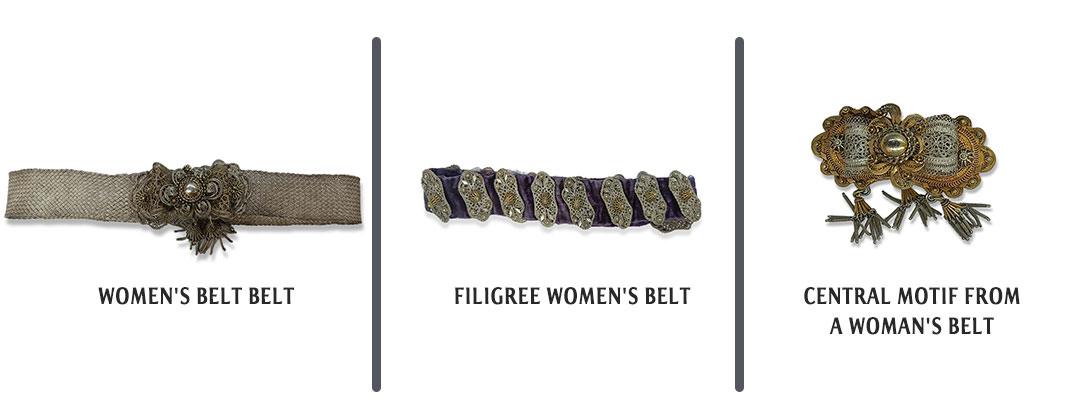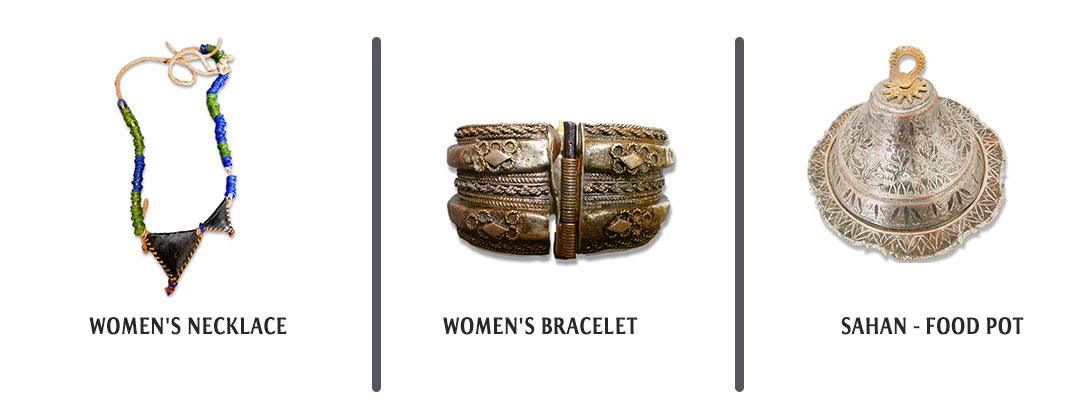
The Ethnological Collection of the Museum in Prijepolje contains 1,300 objects that speak of the traditional folk culture of the Prijepolje region – rural and urban, Serbian and Bosniak heritage from the late 19th to the mid-20th century.
This collection was conceived in the 1950s, thanks to the dedicated work of Muhamed Čelebić, who from the 1950s to the 1980s collected and thus preserved around 300 very valuable ethnological objects from the Prijepolje region.
Today, the Ethnological Collection consists of museum exhibits belonging to the collections of furniture and utensils, economy, clothing, crafts, women’s home crafts, spiritual life, and a collection of photographs.
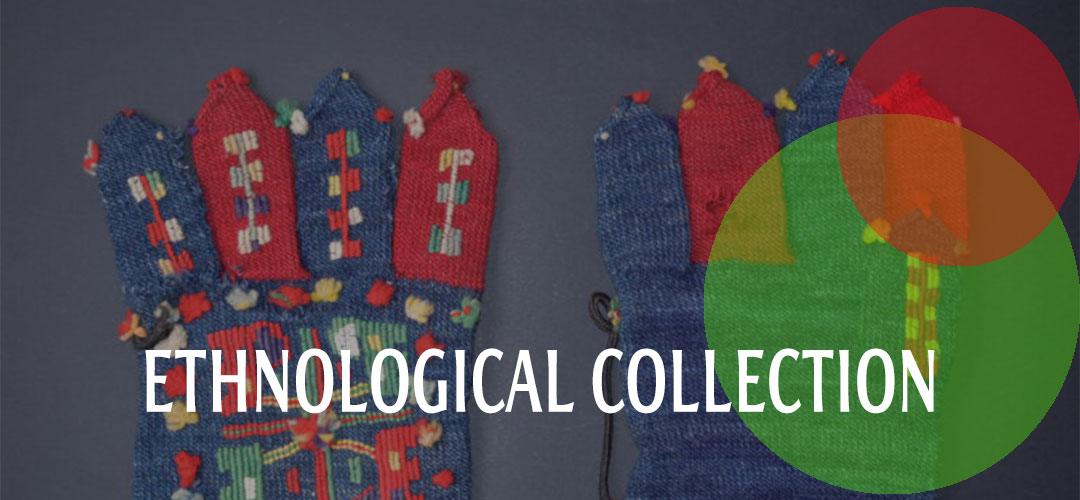
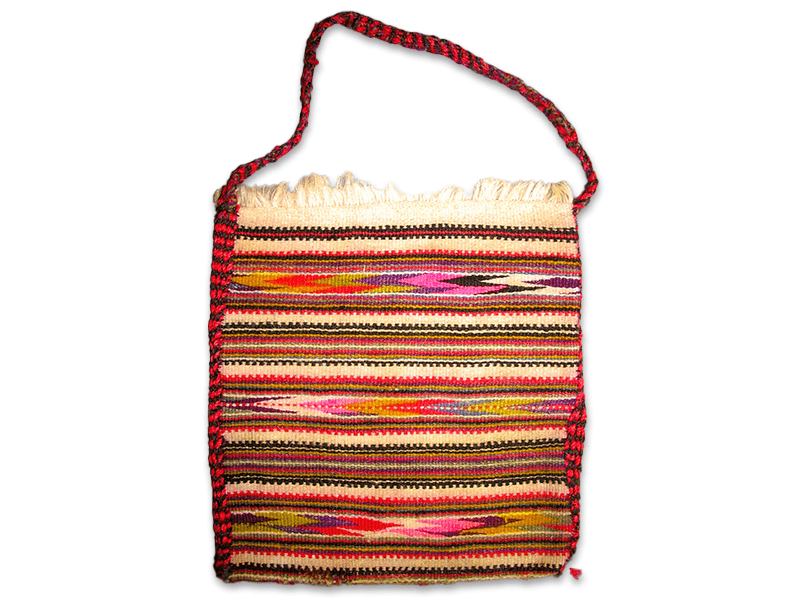
From this modest collection, we single out as particularly valuable works of folk art of this region examples of gloves, socks and mittens from the second half of the 19th century, gift handkerchiefs „čevre“, as well as carpets „kolaša“ made in the late 19th and early 20th centuries, due to their age, method of making and aesthetics. The collection is presented to the public at the permanent exhibitions „The Past as a Gift“ in the museum and „There is No End to Happiness“ in the Jusufagić House, and you can see it there.
The structure and display of the museum exhibits in the Ethnological Collection offer a precise representation of the entire folk life of this region. They clearly demonstrate that the objects—ranging from furniture and dishes to farming tools, clothing, and handicrafts—belonged to the culture of mountain herders. In this area, wood and wool were the primary materials, reflecting the challenging living conditions of the time.
Life in the mountainous terrain was harsh and demanding, with limited resources and difficult weather conditions, shaping the resilience and ingenuity of the local population.
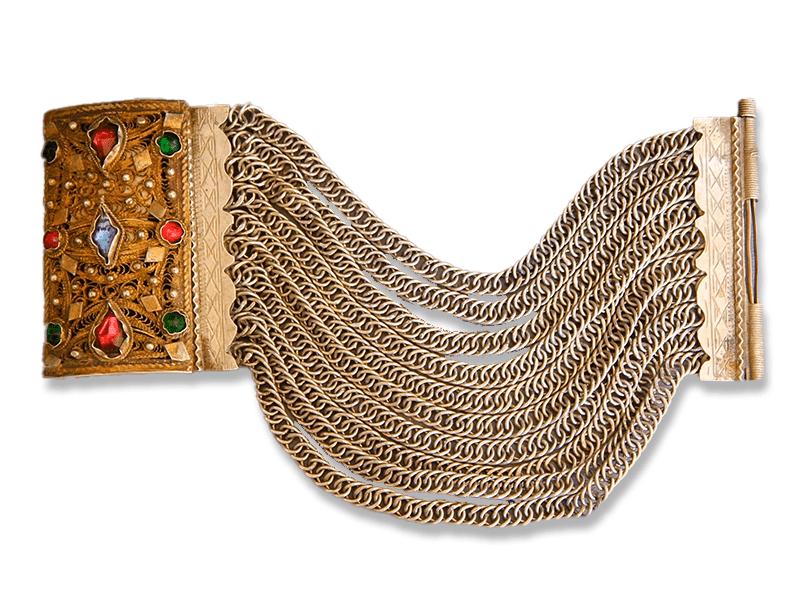
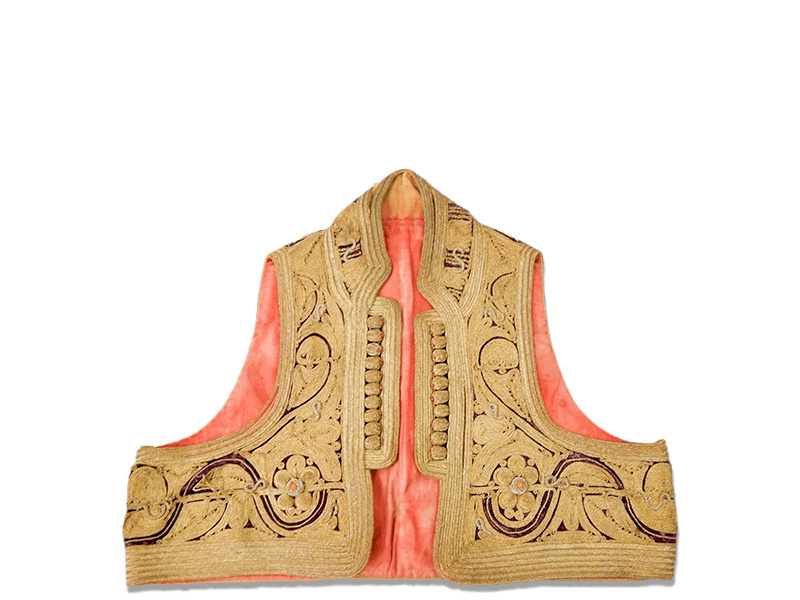
On the other hand, museum exhibits from the civic corps are fewer in number and bear a dominant oriental stamp as a result of centuries of Turkish domination in this area, which had a significant influence on the culture of everyday life. Museum exhibits from collections of clothing and textiles made of finer materials, specific furniture, metal utensils, examples of gold embroidery and jewelry testify to the character and level of the civic culture of Prijepolje, which arose primarily under oriental and, to a lesser extent, Austro-Hungarian influence.
The collection is presented to the public in permanent exhibitions, „The Past as a Gift“ at the museum and „There is no end to Rahatluk“ (eng. pleasure) at the Jusufagić House, where you can see and explore it.